Tucson voters rejected a proposed 25-year franchise agreement between the city and Tucson Electric Power, while state regulators approved a separate rate increase expected to raise typical residential bills by about 9.4%.
Proposition 421 received 90,816 votes against and 69,102 in favor, according to Pima County's Nov. 13 general election summary. The county report lists the results as unofficial.
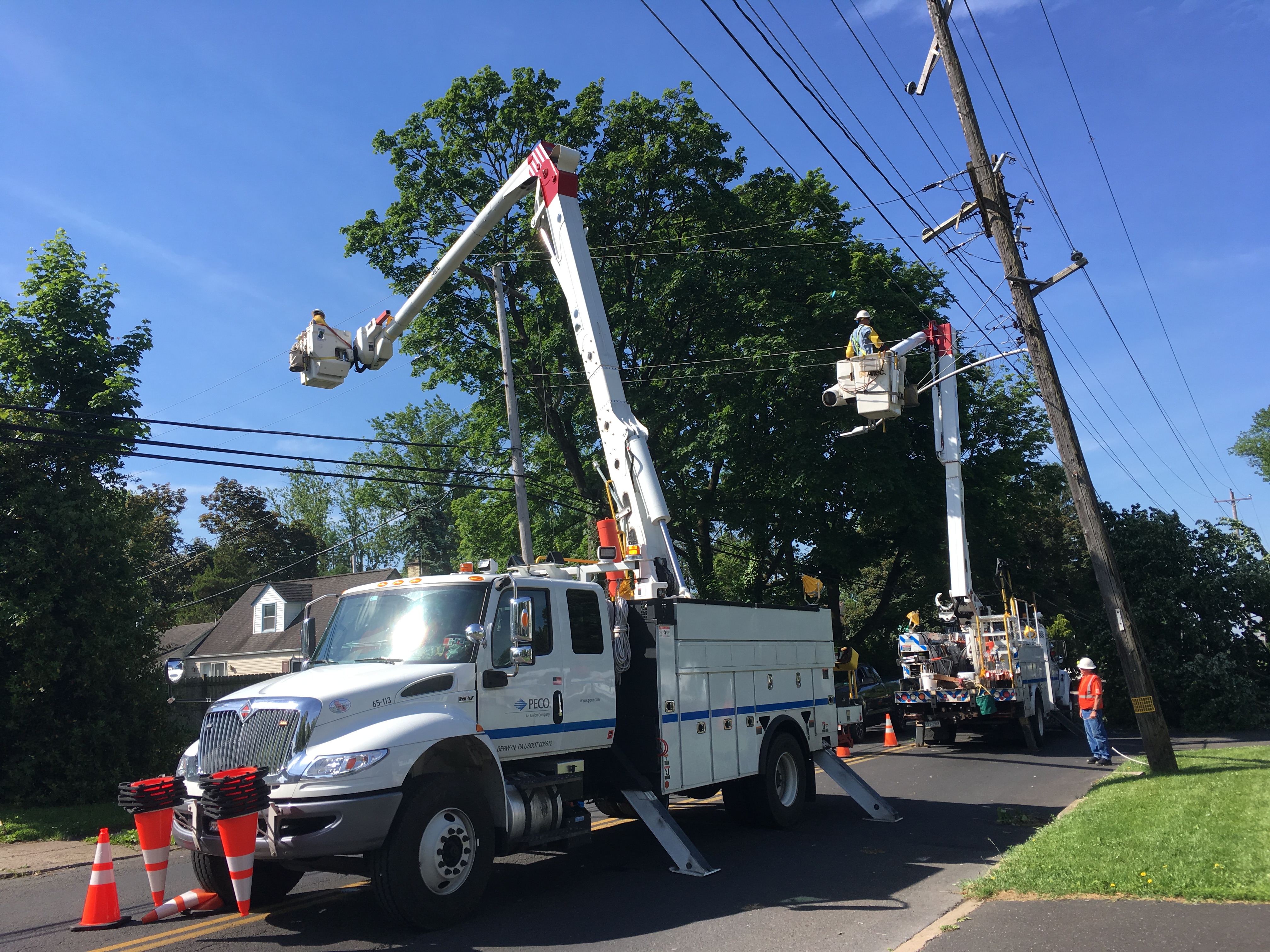
The proposal would have renewed the agreement governing TEP's use of Tucson's public streets and rights of way to maintain and improve its electric infrastructure. TEP has operated under a franchise agreement with the city since November 2000, according to the City of Tucson's explanation of Proposition 421.
What voters rejected
The proposed agreement would have extended the existing franchise arrangement for another 25 years. It included the same 2.25% franchise fee paid by TEP customers within Tucson, with the proceeds remitted to the city.
The city and TEP also negotiated a separate Energy Collaboration Agreement. Under that arrangement, TEP would have provided the city with an initial $2 million annual payment for infrastructure and sustainability projects. Payments would have increased by 2% each year, reaching a projected total of approximately $64.1 million over the agreement's anticipated term.
The city's description of the Energy Collaboration Agreement identifies potential projects such as assistance with utility bills, home energy-efficiency improvements, solar-powered resilience hubs, tree planting and electric vehicle charging infrastructure.
The funding was to come from TEP's corporate resources and could not be recovered through customer electricity rates. The agreement was conditional on voter approval of the new franchise agreement, so the collaboration agreement will not take effect following the Proposition 421 defeat.
The franchise agreement and the collaboration agreement addressed different issues. The franchise covered TEP's use of public property and coordination with city officials, while the collaboration agreement concerned community energy and sustainability projects.
TEP said in its Proposition 421 information page that the utility would continue providing electric service in Tucson regardless of the election outcome. The company also said it could continue using city property to serve customers, although work could face different permitting requirements without a franchise agreement.
Campaign finance filings show millions in spending
Campaign finance records show that TEP for Tucson, the political committee supporting Proposition 421, reported receiving approximately $4.1 million during the 2026 election cycle through Sept. 30.
The committee's quarterly campaign finance report filed with the Arizona Secretary of State lists $4,098,161.45 in contributions and $3,921,581.45 in ballot-measure expenditures through the reporting period.
The report identifies Tucson Electric Power Company as the source of two contributions totaling the committee's $4.1 million in corporate contributions.
ACC approves separate TEP rate increase
The Proposition 421 vote did not determine TEP's electricity rates. Those rates are regulated by the Arizona Corporation Commission, which considered the utility's separate rate case.
On Nov. 17, the commission voted 4-1 to approve an amended recommended order in TEP's rate case. Commissioner Lea Márquez Peterson cast the dissenting vote, according to the commission's announcement.
The decision establishes an approximately 10% increase in TEP's overall net revenue, including surcharges. For a typical residential customer on a basic plan, the commission estimated a monthly bill increase of just under $13, or about 9.4%, bringing the average monthly bill to approximately $150.
The new rates take effect Dec. 1. TEP said the approved rates will help it recover costs associated with $1.7 billion in recent investments in its electric grid, according to the company's 2026 rates information.
The commission also approved an Annual Rate Adjustment Mechanism, which allows TEP to seek annual adjustments tied to infrastructure investments. The commission said it retains oversight of the process. TEP's first annual update under the mechanism is due Sept. 1, 2027.
The rate case was filed June 17, 2025, and included 14 days of public hearings in April and May 2026, according to the commission.
The franchise agreement vote and the rate case were separate proceedings: Proposition 421 concerned TEP's use of city rights of way, while the commission's decision sets the rates customers will pay for electricity.